01Bone
Upper third
What can be addressed
The bony part of a bump, wide nasal bones, or bones that need straightening after a break.
When it settles
About six weeks.

Prefer to talk?
02 8069 8974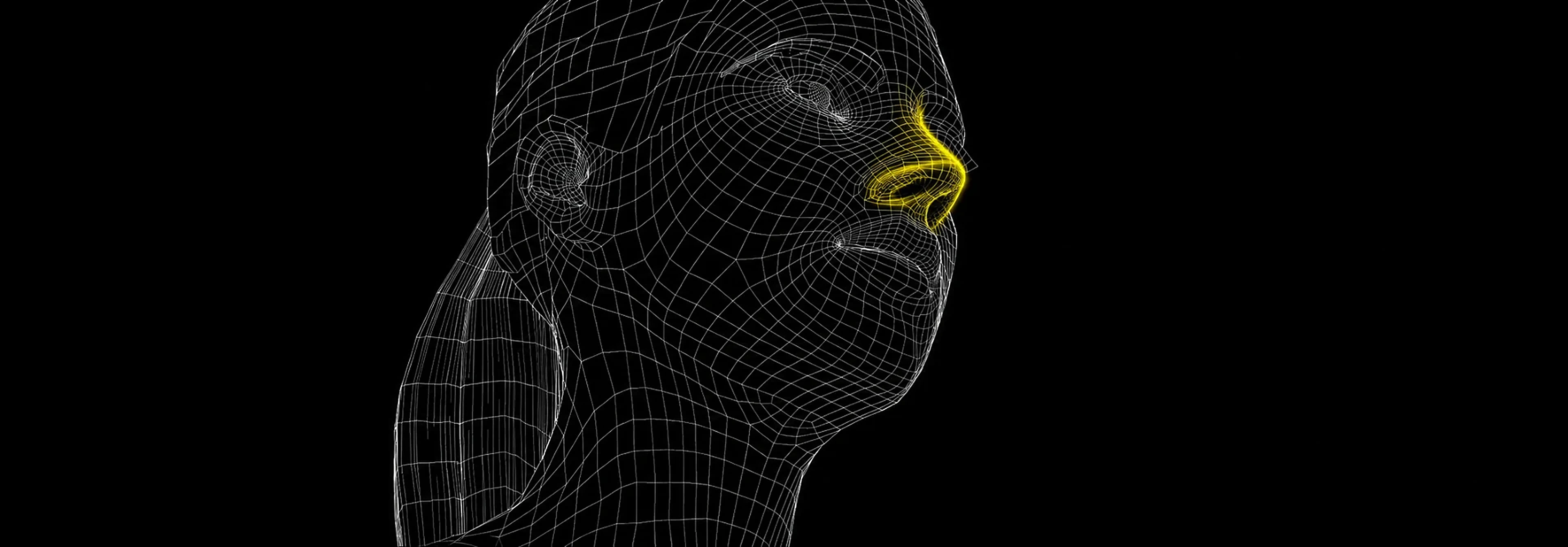
RHINOPLASTY IN SYDNEY
Dr Pouria Moradi · Specialist Plastic Surgeon · MED0001185885
Bump on the bridge, drooping tip, crooked nose or blocked breathing. Dr Moradi has a keen interest in rhinoplasty.


In brief
Surgery to change the shape of the nose, how it works, or both. Dr Moradi plans each part separately, because each heals at a different pace.
01Bone
What can be addressed
The bony part of a bump, wide nasal bones, or bones that need straightening after a break.
When it settles
About six weeks.
02Cartilage and septum
What can be addressed
The cartilage part of a bump, a crooked middle, and the septum (the wall between the airways).
When it settles
About six weeks.
03Lower third
What can be addressed
The shape, projection and rotation of the tip, done through an open approach.
When it settles
Usually six to twelve months, depending on skin thickness.
04Function
What can be addressed
A deviated septum or enlarged turbinates can be corrected, which aims to improve airflow.
When it settles
Splints usually come off at about ten days.
How it works
Dr Moradi chooses the approach based on what needs to change. If only a hump on the bridge needs reducing, he prefers a closed approach. For everything else, including any work on the tip, he uses an open approach. Breathing problems can be addressed at the same operation.
01 · Closed
Closed
Incisions sit inside the nostrils, with no external scar. Dr Moradi uses it when only a hump needs reducing.
02 · Open
Open
Adds a small incision across the columella, the skin between the nostrils, giving direct access to the tip.
03 · Breathing
Breathing
If a deviated septum or enlarged turbinates block airflow, they can be addressed at the same operation.
Who will operate
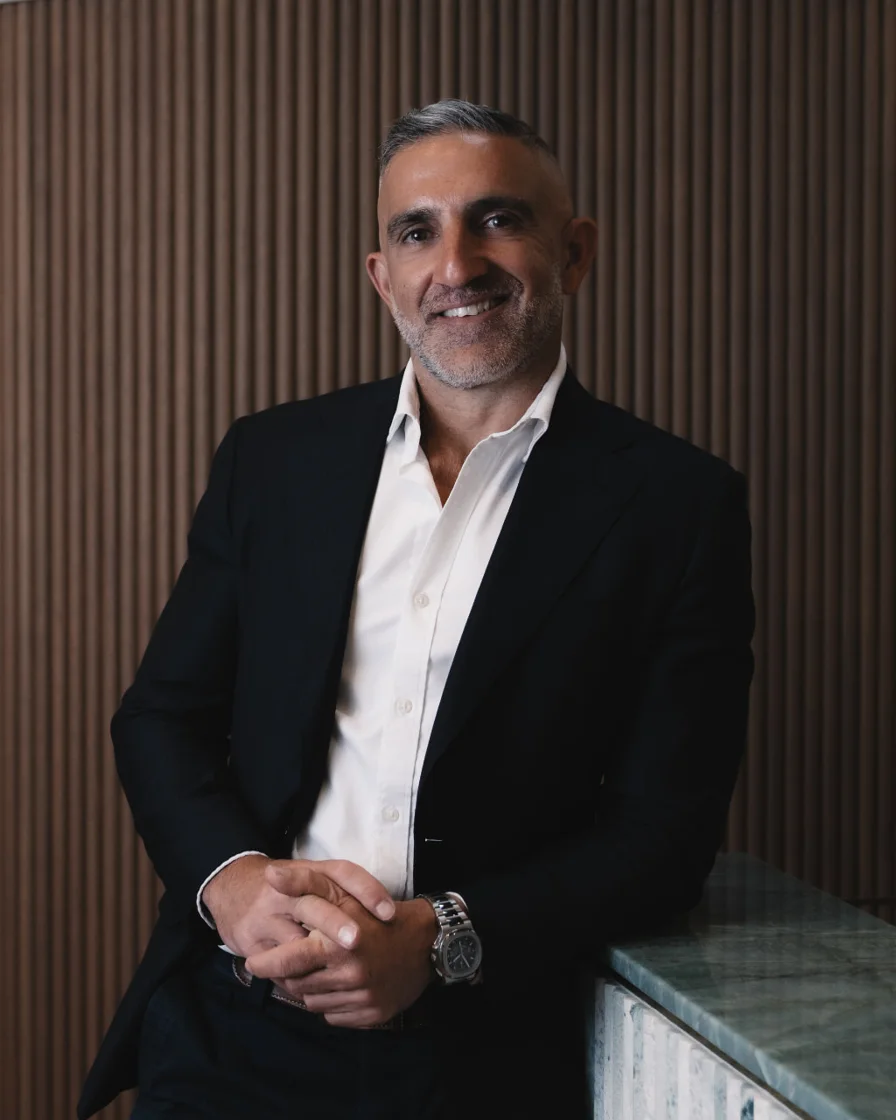
Dr Pouria Moradi, Specialist Plastic Surgeon (MED0001185885), is registered with AHPRA in Surgery – Plastic Surgery and also operates at Prince of Wales, the Royal Hospital for Women and Sydney Children's Hospital.
Your plan starts with what you'd like to change, then a close look at the structure of your nose. You'll leave the consultation with the operative steps planned for your goals.
Path to surgery
Consultations are usually available within two to three months, and surgery is usually booked 10–12 weeks after the first consultation. Our team will tell you about any earlier availability.
Australian rules require a GP referral before any cosmetic surgery consultation.
We send a secure link for a few current photos of your face, front and side, so Dr Moradi can review them before you meet.
You describe the shape you'd like and what bothers you; Dr Moradi examines your nose, discusses the risks and plans the operative steps. Then a written, itemised quote.
A second consultation, then at least seven days' cooling-off after informed consent, as Medical Board guidelines require.
Surgery under general anaesthetic in an accredited hospital, as a day case or with an overnight stay, followed by splint removal at about ten days and scheduled reviews.
Suitability
Dr Moradi decides at consultation, after you've described what you'd like to change and he's examined the structure of your nose.
Dr Moradi will explain your options at consultation.
The upper nose settles over about six weeks, but the tip can take six to twelve months or longer. An open approach leaves a small scar across the columella. Results depend on your skin thickness and anatomy, and revision is sometimes needed.
Different surgeons have different approaches. If you only need a hump reduced, Dr Moradi prefers a closed approach, with all incisions inside the nose. For everything else, including any work on the tip, he uses an open approach, which adds a small incision across the columella, the skin between the nostrils.
It can, if the cause is structural. A deviated septum, or enlarged turbinates (bony outcrops inside the nose), can block airflow. During rhinoplasty the septum can be straightened and the turbinates reduced, which aims to improve breathing. This can be done with or without any change in the shape of the nose.
Ideally within about two weeks, before the nasal bones set. After that, straightening needs a formal rhinoplasty, which re-sets the bones and always involves straightening the septum too. If your injury is recent, call us promptly.
Revision rhinoplasty is surgery after a previous rhinoplasty, to address concerns with shape, scar tissue or breathing. It often needs extra cartilage for support. Septal cartilage is usually used up in the first operation, so Dr Moradi may use rib cartilage, either your own or donor cartilage. What's achievable depends on the remaining tissue, scar tissue and your skin.
A closed rhinoplasty leaves no external scar. An open rhinoplasty leaves a small scar across the columella, which usually fades over the following months. Some people form thickened scars.
Risks include bleeding, infection, a blood collection needing drainage, bruising and swelling around the nose and eyes, thickened scars, slow healing (especially in smokers or people with diabetes), altered sensation in the nose, temporary numbness of the upper front teeth, dark circles under the eyes that can last six months or longer, changes in sense of smell, narrowing of the airway causing breathing difficulty, and the need for revision surgery. Dr Moradi will go through each one with you, and the full list is on his rhinoplasty page.
There are two kinds of recovery. Physical: most people feel better within two to three days and like themselves again in about a week. Social: the splint and any external stitches stay on for about ten days, and visible bruising and swelling usually last two to three weeks. Most people take one to two weeks off work. Avoid strenuous activity for two weeks and the gym for four to six weeks, sleep on your back, and don't rub the nose or bend your head forward. Dr Moradi will give you a recovery plan specific to your surgery.
The nose heals in thirds. Most visible swelling in the upper and middle nose settles within about six weeks, and most is gone by three months. The tip takes longest, usually six to twelve months and sometimes more, depending on skin thickness and the work done. Your progress is checked at follow-up appointments.
The cost depends on your surgical plan, including the hospital or day surgery fees, the anaesthetist's and surgical assistant's fees, and whether any other facial procedures are combined, so we don't publish a single figure. Rhinoplasty done purely for appearance isn't covered by Medicare or private health insurance. Where there's a documented clinical need, such as obstructed breathing or a nasal injury, part of the surgery may be eligible for a Medicare rebate and health fund cover, subject to Medicare's criteria. Check with your health fund; our team can explain what applies to you. After your consultation you'll receive a written, itemised estimate.
Yes. Australian rules require a referral from your GP before a cosmetic surgery consultation. Consultations are usually available within two to three months, and surgery is usually booked 10–12 weeks after your first consultation. You'll have a second consultation and a cooling-off period of at least seven days before surgery. Cosmetic surgery is for adults 18 and over.
Where to find us
Dr Moradi consults at 423 Bourke St, Surry Hills, close to Central Station and the CBD. Patients travelling from regional NSW or interstate can ask our team about planning consultations and travel around surgery.
Consultations for rhinoplasty, septorhinoplasty and revision rhinoplasty, with Dr Pouria Moradi, Specialist Plastic Surgeon (MED0001185885), in Surry Hills. GP referral required.